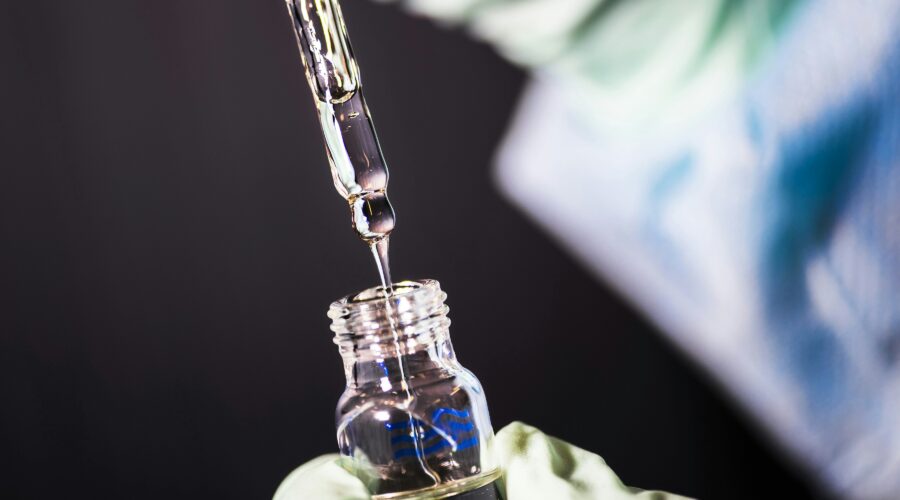
First used as medication in the 1800s and having its …
The United States Fentanyl Epidemic – Another Backlash for Chinese-American Diplomacy?

The magazine from the Society of International Affairs in Gothenburg




First used as medication in the 1800s and having its …

After the Dutch general elections on November 22nd last year, …

After 12 years, Finland is once again preparing to elect …

In November 2023, the Dutch nationalist right-wing party Party for …

After 8 years of Tsai Ing-wen, unable to stand for …

Looking back at the summer of 2023 will probably have …

Literally translated as ‘steadfastness’ from Palestinian Arabic, the term sumud …
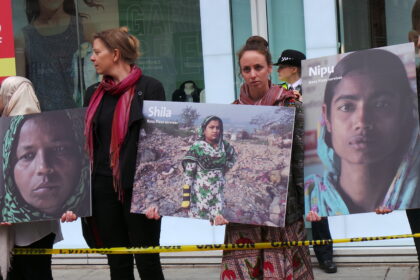
After some cases showed the reluctance of some firms to take responsibility for human rights abuses and environmental degradation, various voluntary initiatives have emerged in an attempt to reshape business practices. Among these initiatives is Friends of Earth Sweden. Staff Writer Adriana Abril has spoken to one of its members.

One year after the terror at Oslo Pride, the wounds still linger. The queer community, scarred by the tragic event, prepares for this year’s celebration with nervousness and anxiety. Threats of violence, increasing hate speech, and a lack of government support cast a shadow over the upcoming Pride, writes Staff Writer Anita Kaksrud.